
Trustees
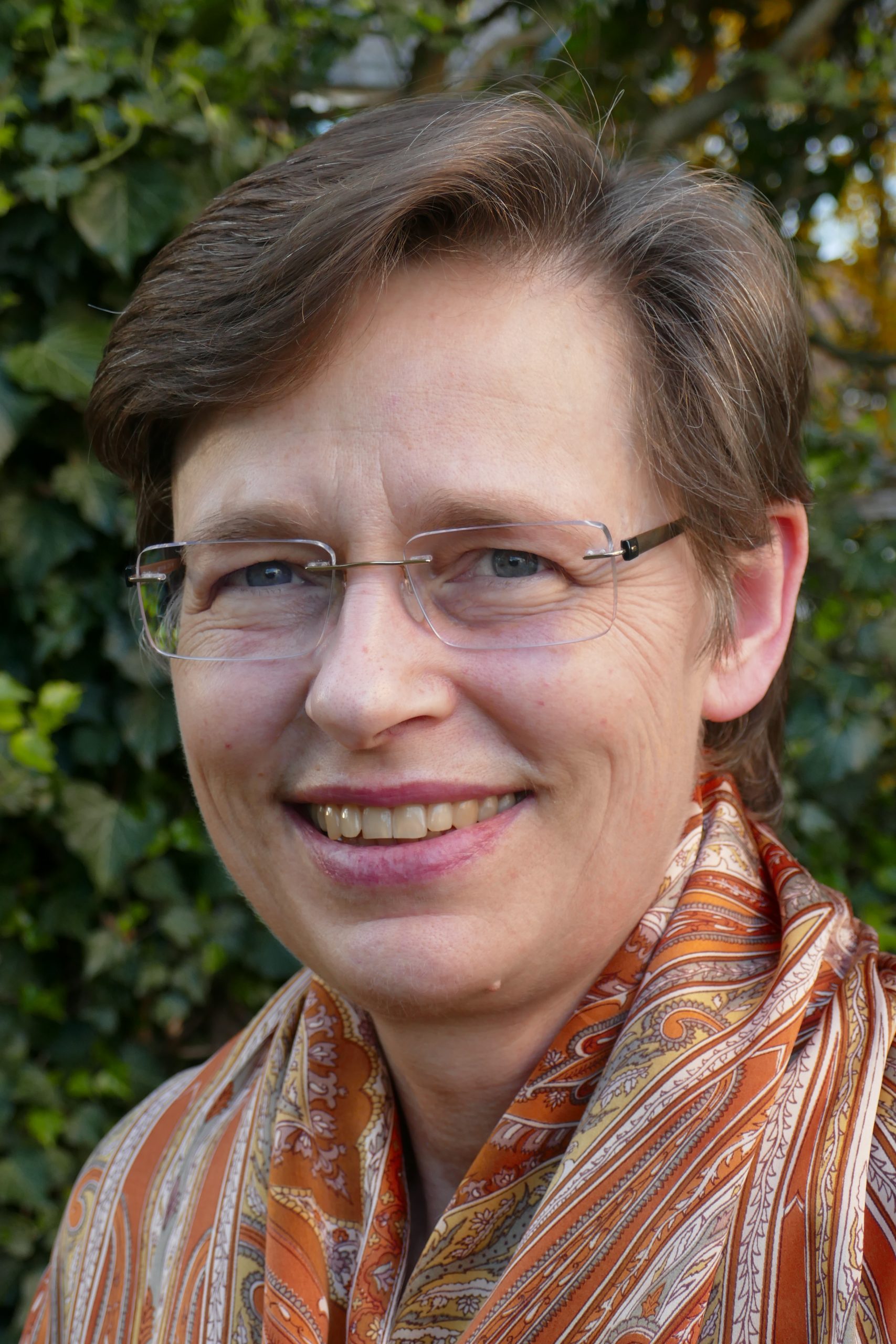
Frances is the chair of Alport UK and Emeritus Professor of Clinical Genetics at Guy’s Hospital in London, UK.
She began her career in paediatrics, where she met several families living with Alport syndrome. This led to a period of research collecting and analysing clinical information and DNA from affected families from all over the UK, which enabled her to map the gene for X-linked Alport syndrome. Her early interest in inherited kidney diseases continued, leading to fruitful collaborations with experts from all over the world. In addition to encouraging and supporting the development of genetic testing for families with Alport syndrome, Frances has counselled hundreds of families about the implications of their diagnosis for their relatives and future children. Frances has retired from her clinical work, and now is a member of the UK’s fertility regulator, the Human Fertilisation and Embryology Authority.
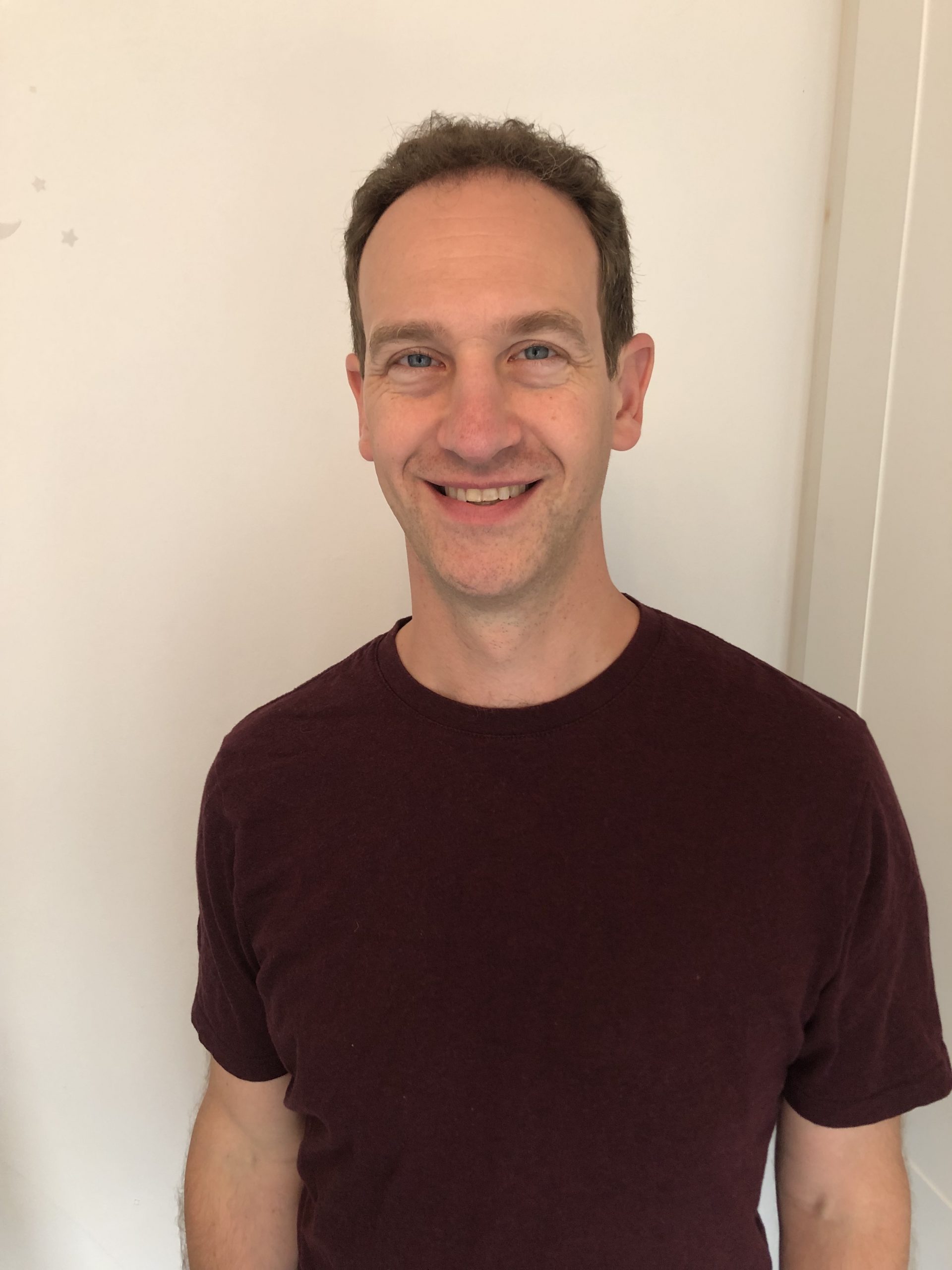
Daniel Gale directs the North/Central London renal genetics service that pioneers genomic testing and participation in clinical trials of new therapies for patients with Alport syndrome and other rare kidney diseases. He discovered the diseases HIF2α erythrocytosis with pulmonary hypertension and CFHR5 nephropathy, an inherited C3 glomerulopathy. He helped developed criteria for NHS kidney disease genomic testing and as Lead for Rare Diseases helped operationalise genomic testing for the North Thames Genomic Laboratory Hub (serving >10% of the UK population). He has led large-scale rare disease genomics studies and, as director of the RaDaR registry (www.rarerenal.org, ~40,000 patients recruited at >100 sites) his team revealed the disproportionate contribution to kidney failure made by rare kidney diseases, justifying the investment needed to improve treatments of these conditions. RaDaR analyses have contributed to regulatory acceptance of surrogate trial endpoints in several glomerular diseases and he co-chairs the ASSENT project which aims to do this for Alport syndrome.
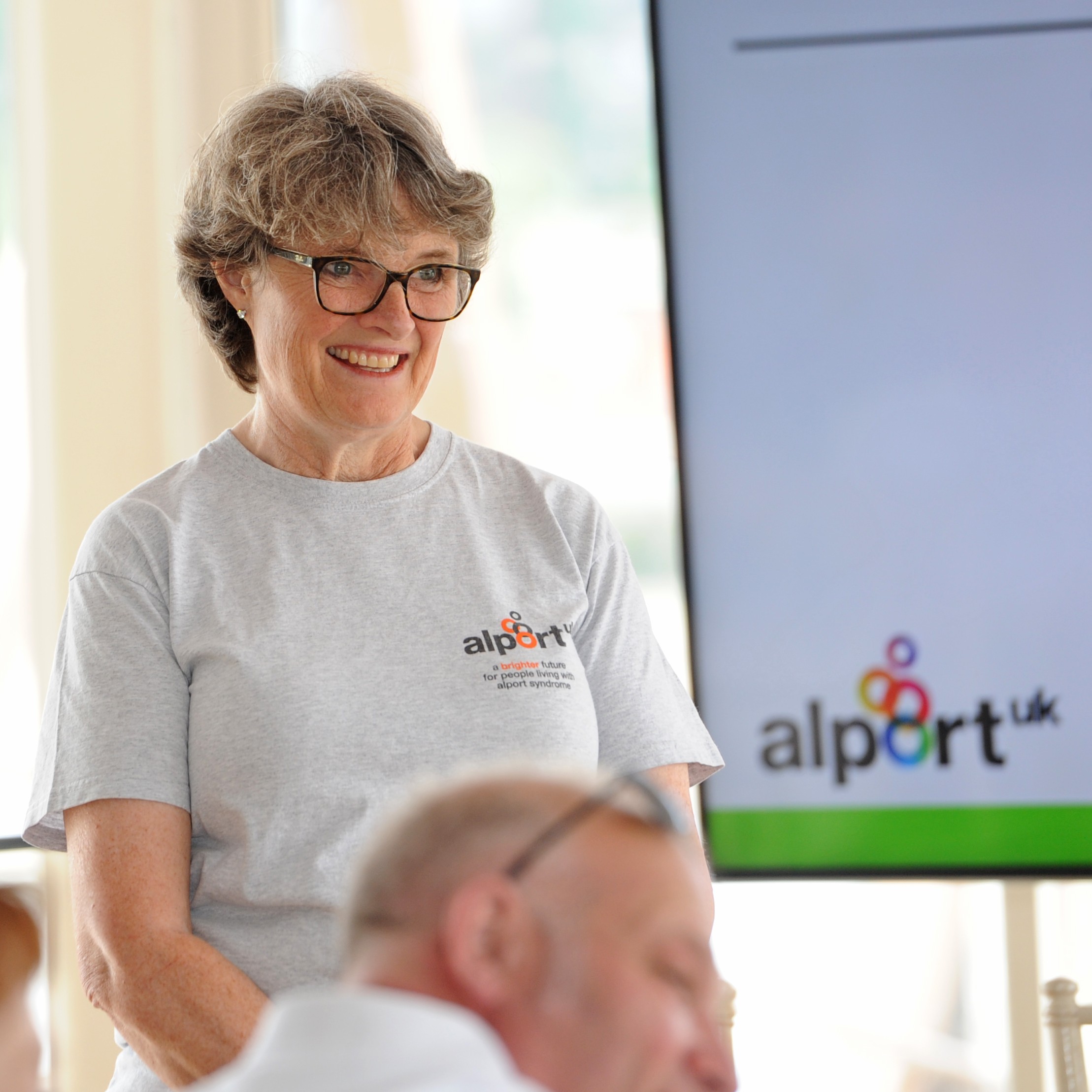
Susie’s passion is using her experience in international business to facilitate the innovative patient/clinical/academic science/industry international collaboration that is creating a brighter future for those living with Alport Syndrome. Susie’s 26 years in international business started in the design and communications industry following her BA Hons in Typography & Graphic Communication at Reading University. With a move into management consultancy and 12 years at Accenture plc, she then spent 2 years in the Cabinet Office as Director of Change for the Civil Service. Susie now has a portfolio of roles that include consulting projects for multinational businesses and government; contributing to executive education programmes and workshops at Oxford Universities’ Said Business School; advisory work for the Institute for Government; an NHS board role as patient advocate on NHS England’s Rare Diseases Advisory Group and most importantly the very enjoyable role of ‘Organiser’ for Alport UK’s vital Information Days but also for the series of International Workshops on Alport Syndrome. Susie’s mother was diagnosed with Alport Syndrome over 40 years ago and it impacts many members of the family.
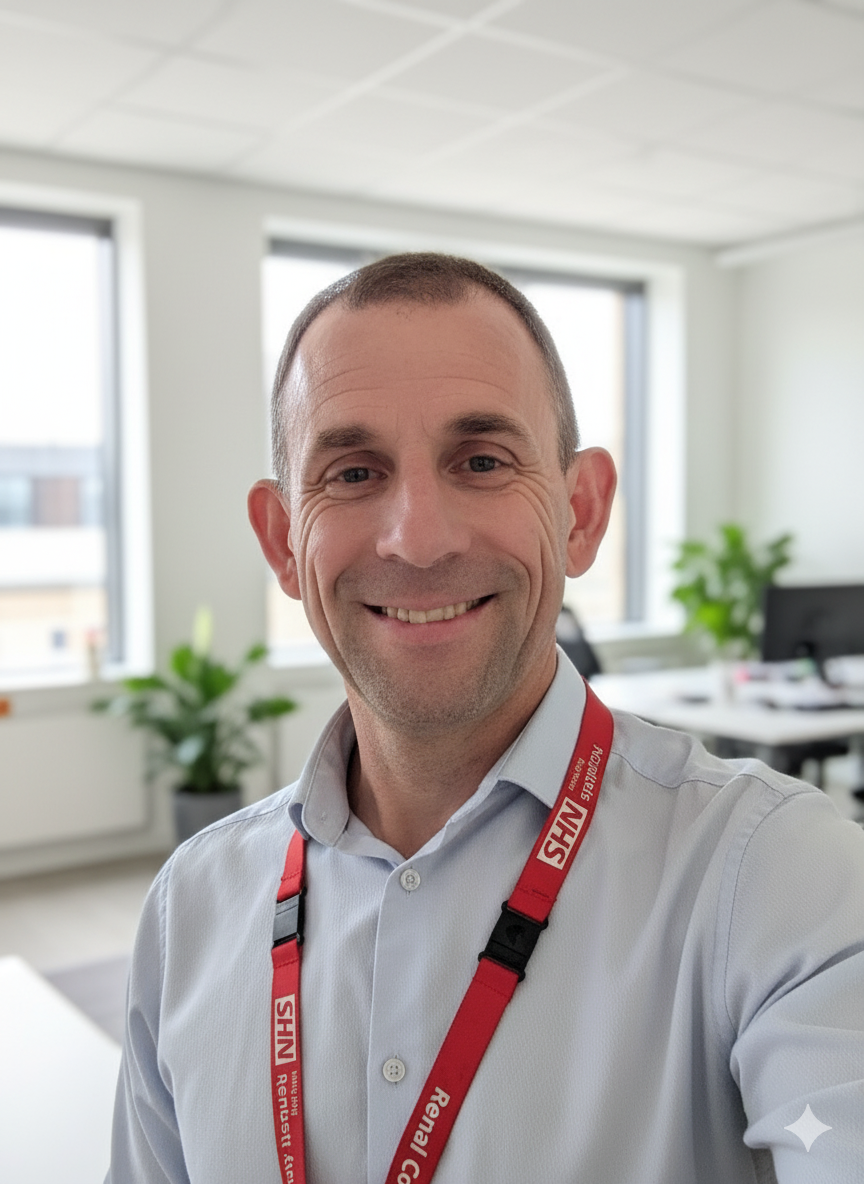
Matt is a clinical nephrologist in Nottingham, working with adult patients who have kidney diseases.
He researched the effect of pregnancy on kidney health during his specialist training and co-founded Nottingham’s renal-obstetric service. Observations during this clinic identified changes in urine protein profiles seemingly unique to patients with Alport gene variants and now works with fundamental science colleagues at the University of Nottingham to more specifically explore how kidneys affected by Alport genes react to physiological changes during pregnancy; work supported by Alport UK, Kidney Research UK and the Stoneygate Trust.
He has held roles with regional genetics services to promote inclusion of DNA tests into routine clinical practice and is committed to help reduce the “diagnostic odyssey” facing patients with rare diseases. He has been a principal investigator for over 50 clinical trials, including new treatments for Alport Syndrome, and works to bring new safe and effective treatments to patients.
He is proud to support Alport UK’s work across the spectrum of patient support, scientific discovery and education, and feels privileged to be a part of the Alport community.
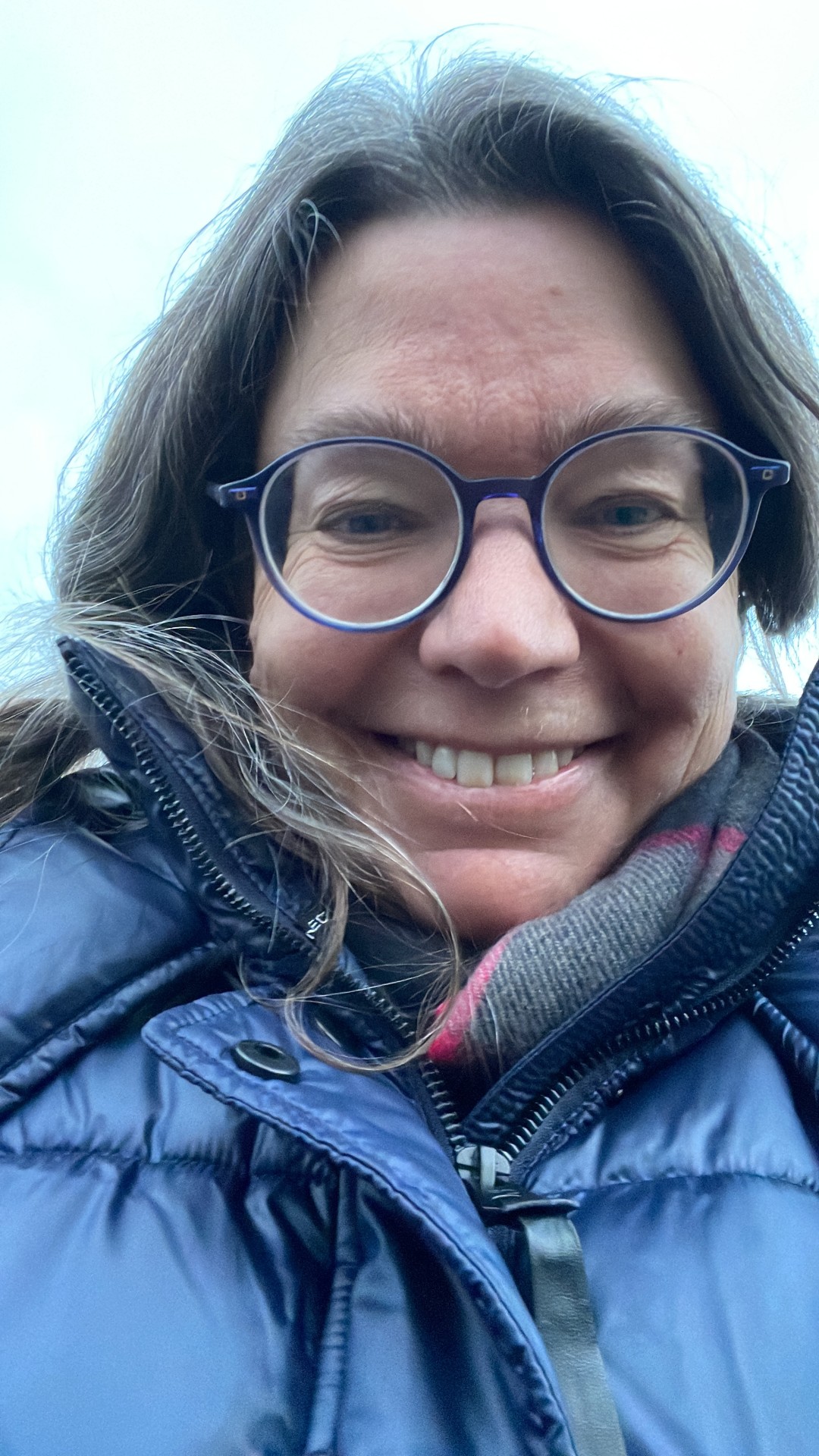
Amanda is a retired NHS pharmacist and has been a trustee of Alport UK since her family learned they had Alport, after her son developed kidney failure at the age of 18. She is the safeguarding lead for Alport UK.
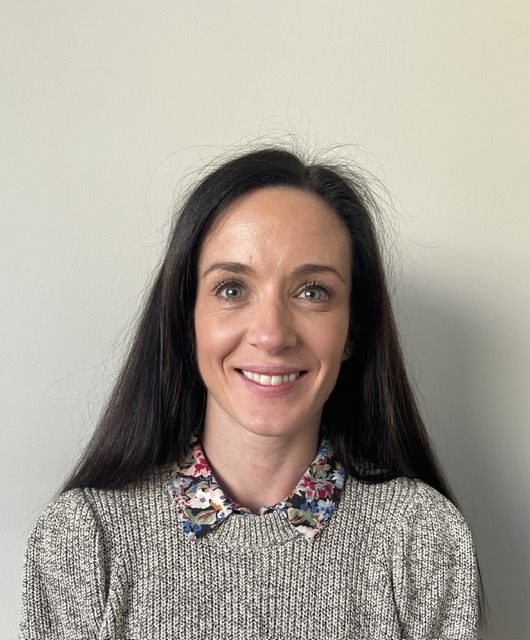
Rebecca is an NIHR Clinical Lecturer in Paediatric Nephrology at the University of Manchester and Royal Manchester Children’s Hospital.
Her research focus is understanding the mechanisms of kidney damage in Alport syndrome, using proteomics and transcriptomics to study how and why the kidney’s filter breaks down in disease. At present, kidney damage in Alport syndrome is only picked up once late signs appear, such as protein in the urine or a decline in kidney function, by which point damage has already occurred. Rebecca’s work aims to understand these mechanisms well enough to allow much earlier detection and intervention, with the goal of preventing kidney damage. She is currently studying blood and urine samples from children with collagen IV variants, aiming to develop tools for earlier detection and to support the development of surrogate endpoints for clinical trials of new treatments, a current priority in Alport syndrome research. Alongside her research, Rebecca is committed to supporting patients and families affected by Alport syndrome through Alport UK and their patient information days and the Alport Research Hub.
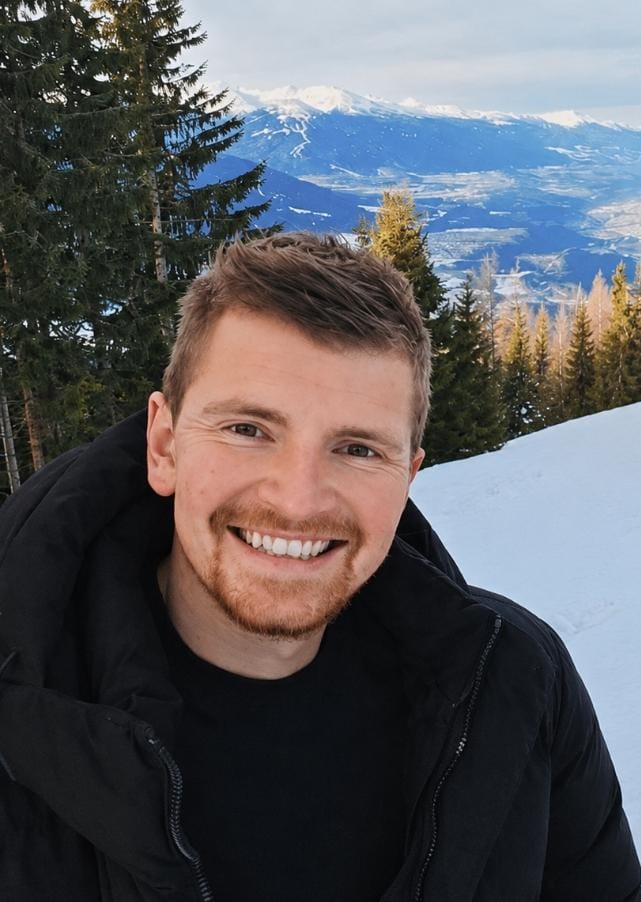
I’m Alex, I’m married with 3 children and a cat! My family are my everything and I love to travel and just spend as much time as I can with them. I live in the West Midlands and my background for the last 10 years has been in Product and Technology where my current role is in International Product Leadership.
I’m an Alport Trustee and also an Alport Patient. I was diagnosed with Alport Syndrome when I was 13 after it was passed down in my family to my sister and I. My kidneys failed at 28 and I was on dialysis for 2 years until I received a kidney transplant which has completely turned my life around. My donor was my father, who unfortunately wasn’t a match for me directly so we were on the paired exchange list for 2 years and then got the call to say they’d found a another paired match.
I became a part of Alport UK as a Trustee in 2025 and my aim has always been to keep the charity on track and help wherever I can. Being a patient too means it’s extremely important to get our voice heard within the organisation, to represent patients as well as family and friends to those affected. I want to help Alport UK make sure that as much progress can be made to help anyone affected and any existing and future patients can be helped to the fullest extent.
My daughter has Alport Syndrome, and I’d do anything for her to make sure that she, and other children and adults with this disease grow up with the least impact possible.

Alice has a BA Hons in hotel and catering and then ended up in estate agency for 10 years. Her final role was for Knight Frank which she left to run her own personal assistant business before starting a family. Alice has also spent a lot of time ‘camping rough under canvas’ doing her Bronze, Silver, Gold and Expedition Leader awards for Duke of Edinburgh. Now her girls are older, she is keen to give something back and volunteers for a number of different charities. Alport UK is particularly close to her heart as she has family links with one of the co-founders that go back a long way. She describes herself as one of the back room team who does research, updating procedures, keeping people informed on Facebook, lots of fundraising initiatives and above all supports the two co-founders and families far and wide
Scientific Advisory Board
Professor Daniel Gale runs the North/Central Thames Renal Genetics Service which is based at the Royal Free Hospital in London and provides care for families with inherited kidney problems, including polycystic kidney disease and Alport syndrome, unexplained familial kidney failure, complement disorders and other genetic conditions. Patients are frequently offered enrolment in clinical research studies, including those involving new treatments.
He conducts research and discovered the diseases, and genes responsible for HIF2α erythrocytosis and pulmonary hypertension, which results from a defect in cellular oxygen sensing, and CFHR5 nephropathy, which results from a defect of complement alternative pathway regulation and which is endemic in people of Cypriot ancestry. He also studies genetic factors important in other kidney diseases and, using genome wide association studies, has identified the genes important in a range of more commoner kidney diseases, including IgA nephropathy and Steroid Sensitive Nephrotic Syndrome.
Ongoing projects aim firstly to improve understanding of the precise biological mechanisms underlying kidney diseases and secondly to develop rational approaches to their treatment. He chairs the Renal Association Rare Diseases Committee and leads the UK-wide consortium that aims to interpret genomic data from the thousands of people with kidney disease participating in the 100,000 Genomes Project.
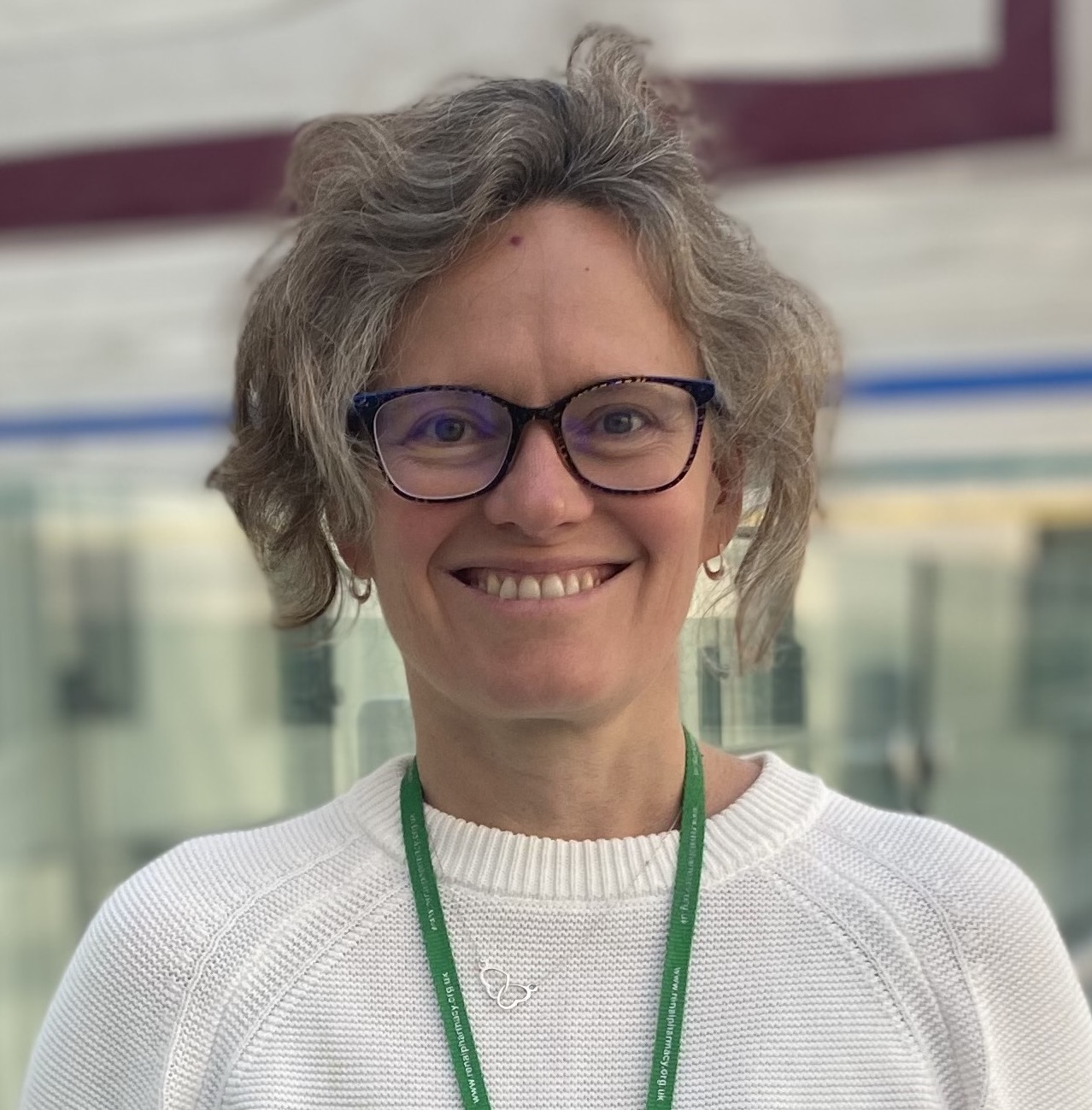
Rachel is a Professor of Nephrology at the University of Manchester and an Honorary Consultant Paediatric Nephrologist at the Royal Manchester Children’s Hospital. She is a leading authority on kidney disease and the molecular mechanisms underlying Alport syndrome.
In leadership, Rachel is Director of the Stoneygate and Alport UK Research Hub, which is dedicated to accelerating research with the core goal of improving the diagnosis and treatment of Alport syndrome. Her laboratory in the Manchester Cell-Matrix Centre focuses on improving understanding about basement membrane biology to develop better treatments to protect tissue and organ function.
As a Scientific Advisor to Alport UK, Rachel provides clinical and academic guidance with the goal of translating research advances into improved clinical management.
Rebecca is an NIHR Clinical Lecturer in Paediatric Nephrology at the University of Manchester and Royal Manchester Children’s Hospital.
Her research focus is understanding the mechanisms of kidney damage in Alport syndrome, using proteomics and transcriptomics to study how and why the kidney’s filter breaks down in disease. At present, kidney damage in Alport syndrome is only picked up once late signs appear, such as protein in the urine or a decline in kidney function, by which point damage has already occurred. Rebecca’s work aims to understand these mechanisms well enough to allow much earlier detection and intervention, with the goal of preventing kidney damage. She is currently studying blood and urine samples from children with collagen IV variants, aiming to develop tools for earlier detection and to support the development of surrogate endpoints for clinical trials of new treatments, a current priority in Alport syndrome research. Alongside her research, Rebecca is committed to supporting patients and families affected by Alport syndrome through Alport UK and their patient information days and the Alport Research Hub.
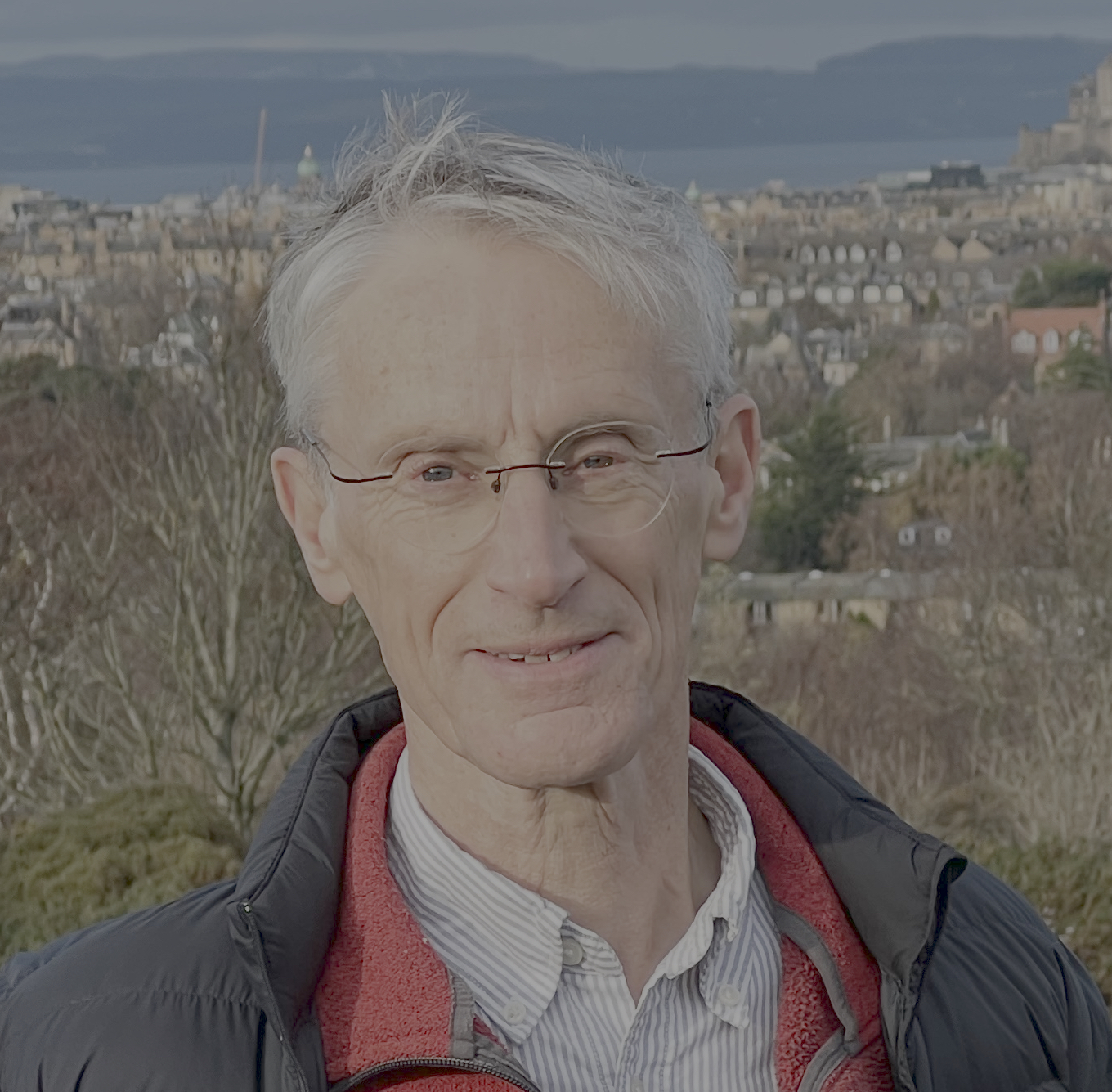
Neil was Professor of Nephrology in Edinburgh until 2023, combining being a kidney consultant with teaching and research. He first encountered Alport syndrome in the 1980s during his PhD, and has been involved with Aport patients and Alport science ever since.
As a consultant he had particular responsibility for young patients moving from paediatric to adult services, for rare and genetic conditions, and for kidney diseases in pregnancy.
He has also led information projects for patients and staff, including setting up the live results online service Renal PatientView (now taken over by PatientsKnowBest) and information websites for patients, staff, and students.
Teaching continues to be an interest, and he is editing a new edition of the Oxford Textbook of Clinical Nephrology. And as side activities, Medical Humanities and UK kidney history.
Volunteers

Wilma has an N.C. and an HNC in Childcare and Education and has 16 years of experience in working with children. She is currently the Senior Practitioner in the 0-2 year old room of a Private Nurser.
Wilma has a long term connection with Alports, since herself, two brothers, son and daughter all have this Alport Syndrome. When looking for information and support Wilma searched online and found links which led her to finding and making contact with Alport UK. This culminated in Wilma and her family going along to the Edinburgh Information day and finally meeting Susie and Jules. This proved to be a most valuable experience since they had never met or talked with other people (apart from their own family) in a similar position as themselves. It quickly became evident that a support network would be very beneficial. From here, ‘Alports Warriors’ facebook page was born and now Wilma is one of the administrators.
Wilma’s passion for Alport UK is reflected in the many events she organises to raise funds for the charity. She tirelessly researches different methods of fundraising and establishes links with companies and businesses to promote the charity and hopefully potential sponsorship.
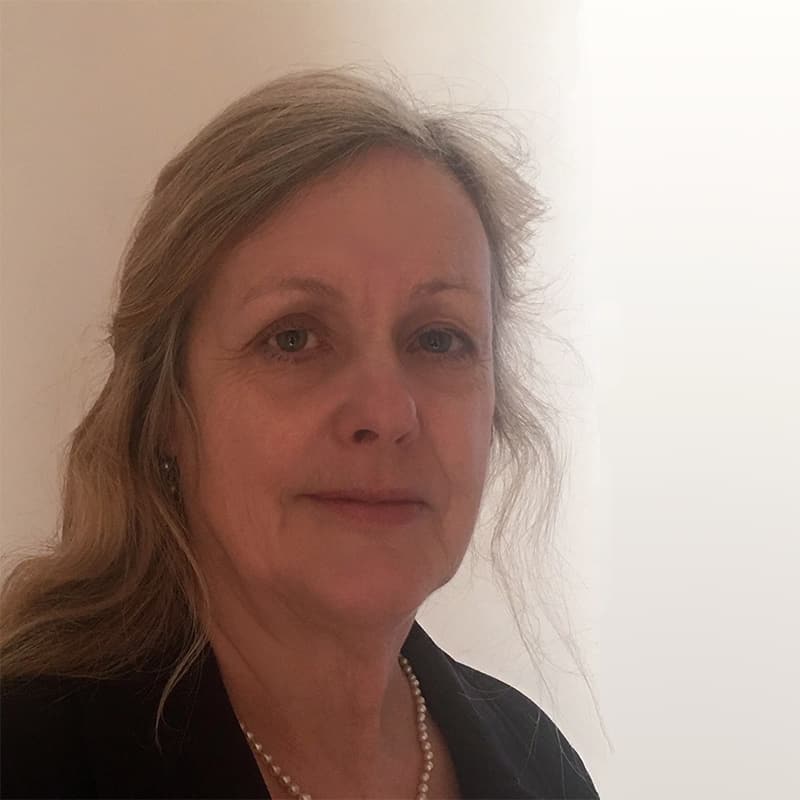
Heidi is a long-time volunteer of Alport UK and a European Patient Advocate for people living with rare kidney diseases.
She has a background in science and UK Government, having worked for the Home Office as a Forensic Scientist and Expert Witness, Scientific Adviser, Head of Profession and Partnership Consultant. She has a BSc (Hons) in Chemistry and Biology and is also a co-founder of a small local charity.
Heidi’s family was diagnosed with Alport syndrome after a long journey to diagnosis. As the parent of a child living with Alport, she understands first-hand the importance of clear information, strong family support networks, research and access to new treatments.
Since 2020, Heidi has represented the patient community across Europe as a European Patient Advocate (ePAG) within ERKNet, the European Rare Kidney Disease Reference Network. She represents people living with Alport and other rare and inherited kidney diseases, helping to ensure the patient voice is included in research and healthcare developments.
Her European work includes supporting the development of the Alport syndrome sub-registry within ERKNet, which will help researchers better understand the wide range of Alport experiences and support clinical trials of new treatments. She is also involved in the ERDERA research programme, which brings together researchers across Europe to advance understanding and treatment of rare diseases.
Heidi also represents Alport UK within FEDERG, the Federation of Rare and Genetic Renal Diseases, which brings together patient organisations and advocates for people living with rare kidney diseases at a European level.
She is part of the Global Workshop Organising Committee.
She volunteers her experience and skills to support Alport UK and the international Alport Syndrome Alliance and is passionate about improving knowledge, research, treatments and quality of life for people living with Alport syndrome and their families.
Staff
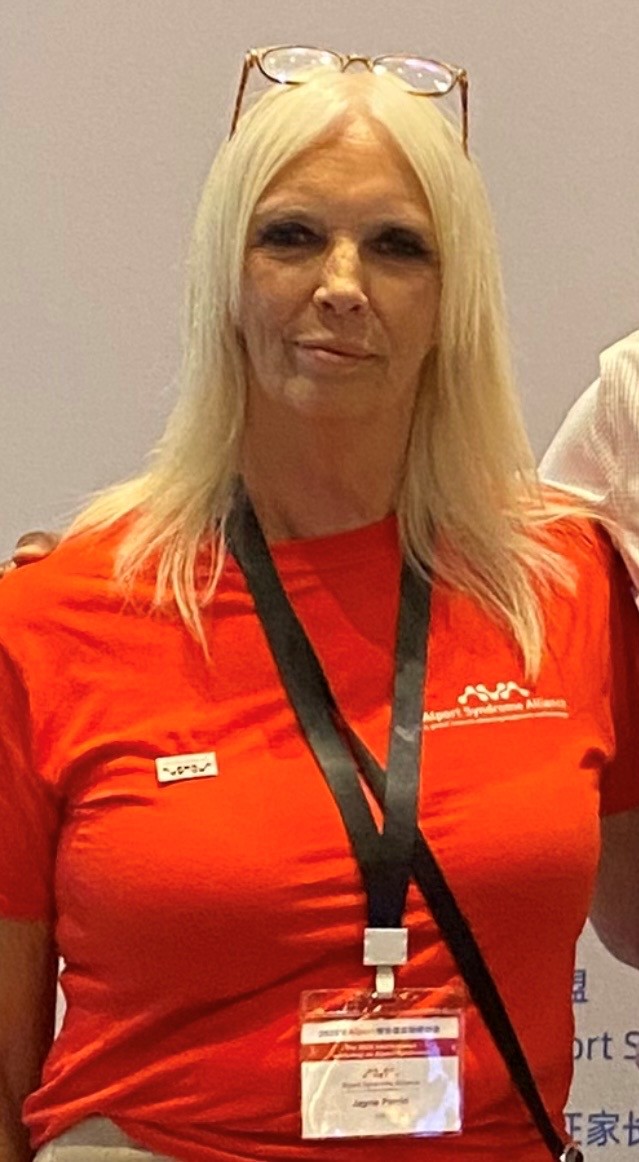
As Director, Operations and Event Management, I bring 35 years of legal expertise in corporate governance, company secretarial, compliance and financial oversight. At Alport UK, I assist with day-to-day operations and financial compliance in parallel to event management for our UK information days and international workshops and patient engagement that supports and connects families worldwide.
Although I do not have Alport syndrome, nor do I have a family connection to the condition, working for Alport UK is deeply rewarding. Every day, I am inspired by the shared commitment to making a meaningful difference in the lives of people living with Alport syndrome, and I am proud to be part of such a dedicated and passionate team.
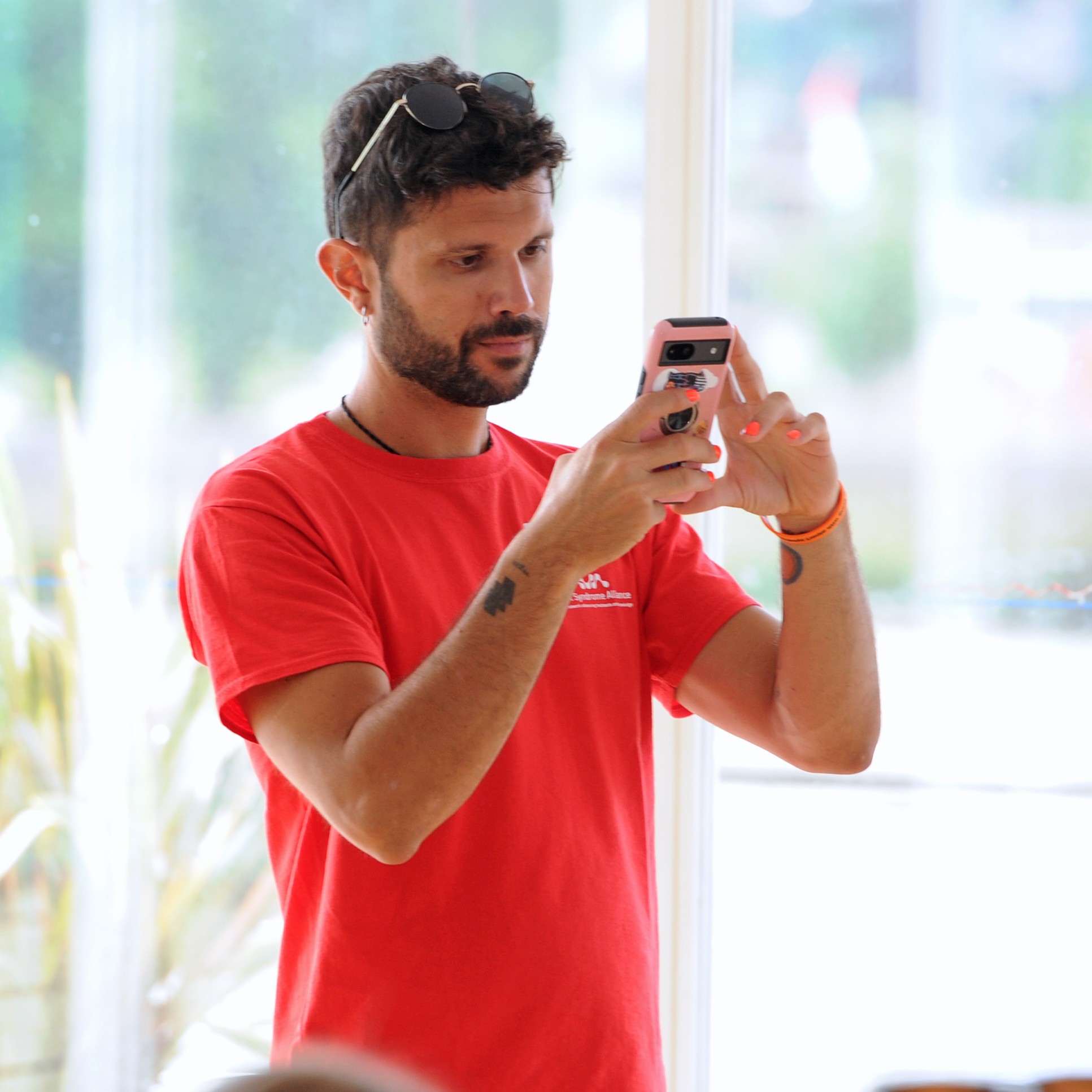
Giovanni Gaetani is Alport UK’s Social Media and Online Fundraising Manager. He leads the charity’s digital communications and online fundraising, helping to raise awareness of Alport and strengthen the charity’s community.
Before joining Alport UK, Giovanni spent five years at Humanists International, where he led global membership engagement and supported more than 500 member organisations worldwide. He then joined Scope, the disability equality charity, where he developed and grew its national membership programme, helping to build a thriving community of disabled people and allies. He is passionate about using digital communications and storytelling to connect people, amplify lived experience and inspire support for important causes.